
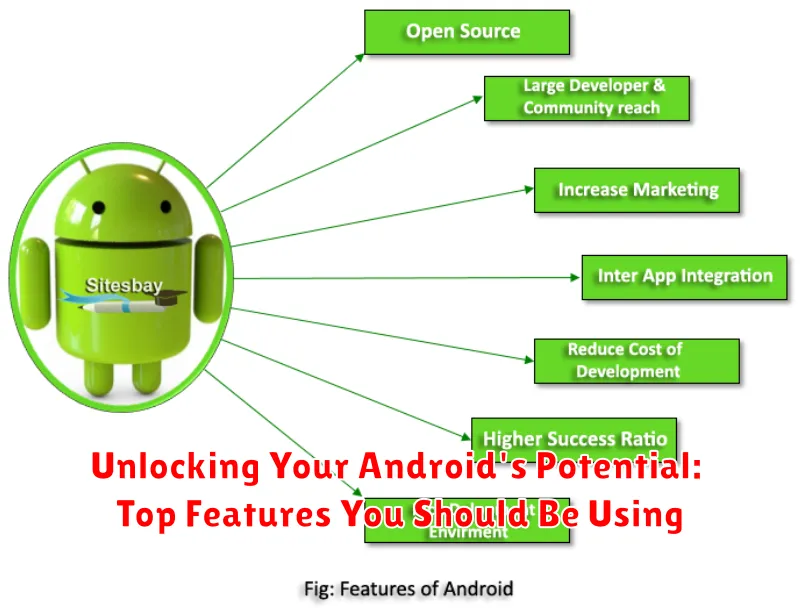
Your Android device is a powerhouse of potential, offering a wide array of features designed to enhance your productivity, entertainment, and overall mobile experience. From customizing your home screen to maximizing battery life and exploring hidden accessibility options, many users are unaware of the true potential their Android phone or tablet possesses. This article delves into the top features you should be using to unlock the full capabilities of your Android device and optimize its performance to fit your unique needs. We’ll explore essential settings, hidden gems, and powerful tools to transform your Android experience from ordinary to extraordinary.
Whether you’re a seasoned Android user or new to the platform, this guide will provide valuable insights into the top features you should be using. Learn how to personalize your device, streamline your workflow, and discover hidden functionalities that will simplify your daily life. Unlocking the potential of your Android goes beyond simply making calls and sending texts. It’s about harnessing the power of a versatile operating system to create a truly personalized and efficient mobile experience. Prepare to discover the top features and maximize your Android potential.
Customizing Your Home Screen and Widgets
Your Android home screen is your digital gateway. Personalizing it to reflect your needs and style significantly enhances your daily interaction.
Launchers: Consider exploring alternative launchers available on the Google Play Store. Launchers provide extensive customization options, allowing you to change icon packs, grid layouts, and even add transition animations. Choosing the right launcher can drastically alter the look and feel of your device.
Widgets: Widgets provide at-a-glance information and functionality directly on your home screen. From calendar appointments to weather updates, strategically placing widgets can streamline your workflow. Experiment with different widget sizes and positions to find the optimal arrangement.
Icon Packs: Tired of the default icons? Numerous icon packs offer a variety of styles, from minimalist to vibrant. Applying an icon pack can refresh the aesthetics of your home screen with minimal effort.
Wallpapers: Choose a wallpaper that resonates with you. This seemingly simple change can significantly impact the overall visual appeal of your device. Consider using live wallpapers for a more dynamic experience, but be mindful of their potential impact on battery life.
Mastering the Quick Settings Panel
The Quick Settings panel provides instant access to frequently used settings and functions. Accessing it is simple: swipe down from the top of your screen. A single swipe reveals key settings, while a second swipe expands the panel to show all available options.
Customizing the Quick Settings panel to your needs is crucial. You can rearrange the tiles by long-pressing and dragging them to your preferred order. Add or remove tiles to include only the functionalities you use most often.
Take advantage of the interactive elements within the Quick Settings panel. For instance, tap and hold the Wi-Fi icon to directly access network settings. Similarly, a long press on the Bluetooth icon opens Bluetooth settings. This streamlines access, allowing you to quickly adjust these features without navigating through the full settings menu.
Improving Privacy and Security Settings
Android offers a robust suite of privacy and security features to protect your data and device. Take advantage of these settings to enhance your digital safety.
App Permissions: Control which apps have access to your location, camera, microphone, and other sensitive data. Regularly review and revoke permissions for apps you no longer use or trust. You can find these settings under “App permissions” in your device’s settings.
Lock Screen Security: Implement a strong screen lock, such as a PIN, password, or biometric authentication (fingerprint or facial recognition). This prevents unauthorized access to your device and personal information. Consider enabling “Lockdown Mode” for an added layer of protection when needed.
Find My Device: Ensure “Find My Device” is enabled. This feature allows you to locate, lock, or erase your device remotely if it’s lost or stolen.
Security Updates: Keep your Android operating system and apps up to date with the latest security patches. These updates address vulnerabilities and protect against emerging threats.
Google Play Protect: This feature scans apps for malware before and after installation, ensuring you are downloading safe applications from the Google Play Store.
Using Digital Wellbeing Features to Manage Screen Time
Android’s Digital Wellbeing tools provide a comprehensive suite of features designed to help you understand and manage your phone usage. App Timers let you set daily limits on how long you can use specific apps. Once you reach your limit, the app icon grays out, reminding you to take a break.
Focus mode allows you to temporarily pause distracting apps so you can concentrate on work or other activities. You can select which apps to pause and schedule Focus mode to activate automatically during specific times.
Bedtime mode helps you wind down at night by silencing notifications and turning your screen grayscale. You can schedule Bedtime mode to activate automatically and customize its settings to fit your sleep schedule. The Do Not Disturb feature can also be used to silence calls, alerts, and notifications during specific times or when activated manually.
Finally, the dashboard provides a detailed overview of your daily phone usage, including time spent on individual apps, the number of times you’ve unlocked your phone, and the number of notifications received. By regularly reviewing this data, you can gain valuable insights into your habits and identify areas for improvement.
Optimizing Battery Life and Performance
Battery life is a crucial aspect of smartphone usage. Android offers several tools to help you maximize your device’s uptime and performance.
The Battery usage section in your settings provides detailed information about which apps consume the most power. Review this data regularly to identify power-hungry apps. Consider limiting background activity for apps you rarely use or uninstalling unnecessary applications altogether.
Battery Saver mode restricts background processes, reduces screen brightness, and limits certain functionalities to extend battery life. Activate this mode when you anticipate extended periods without access to a charger.
Adaptive Battery is a feature that learns your usage patterns and optimizes battery consumption accordingly. Ensure this feature is enabled to allow your device to intelligently manage power allocation.
Beyond battery optimization, consider managing your device’s performance. Close unused apps running in the background to free up system resources. Clearing the cache of frequently used apps can also improve responsiveness.
Exploring Accessibility Features
Android offers a wealth of accessibility features designed to make the device usable for everyone. These features can be powerful tools for users with disabilities, but many can also enhance the overall user experience for anyone.
Vision settings offer options like larger text, increased font contrast, and a screen magnifier. The TalkBack feature provides spoken feedback, allowing users to navigate their devices without looking at the screen. This can be particularly helpful for users with visual impairments.
Hearing enhancements include features like live caption, which displays captions for any audio playing on the device. Sound amplifiers can boost audio from different sources, making it easier to hear in noisy environments.
Interaction controls allow for customization of how you interact with your device. Features like switch access and voice access enable hands-free device operation. These can be helpful for users with limited mobility.
Taking Advantage of Google Assistant
Google Assistant is a powerful tool integrated into your Android device, offering a wide range of functionalities beyond simple voice searches. Voice commands allow you to control various aspects of your phone, from setting alarms and sending texts to playing music and making calls, all hands-free.
Beyond basic commands, Google Assistant can provide proactive information based on your calendar, location, and preferences. It can alert you about upcoming appointments, traffic conditions, and even suggest nearby restaurants.
Leverage the “Routines” feature to automate multiple actions with a single command. For instance, a “Good morning” routine can turn on your lights, adjust the thermostat, and brief you on your schedule. This level of automation streamlines daily tasks and makes your device truly personalized.
Explore the “Explore” tab within the Assistant interface to discover even more functionalities. You can find helpful tools, access your notes, and even play games.
Utilizing Split-Screen Mode for Multitasking
Boost your productivity by leveraging Android’s split-screen functionality. This powerful feature allows you to run two apps simultaneously, side-by-side.
Accessing split-screen mode is simple. Open your first desired app. Then, navigate to your recent apps list. Depending on your Android version, you’ll either long-press the app icon at the top of the app preview or tap a dedicated “split-screen” icon. Select the second app you wish to use. The screen will then divide, displaying both apps concurrently.
Adjust the split-screen ratio by dragging the dividing line up or down. To exit split-screen, simply drag the divider all the way to the top or bottom of the screen to close one of the apps.
With split-screen mode, you can seamlessly compare documents, watch a video while messaging, or take notes while browsing the web, unlocking a new level of multitasking efficiency.
Managing Notifications Effectively
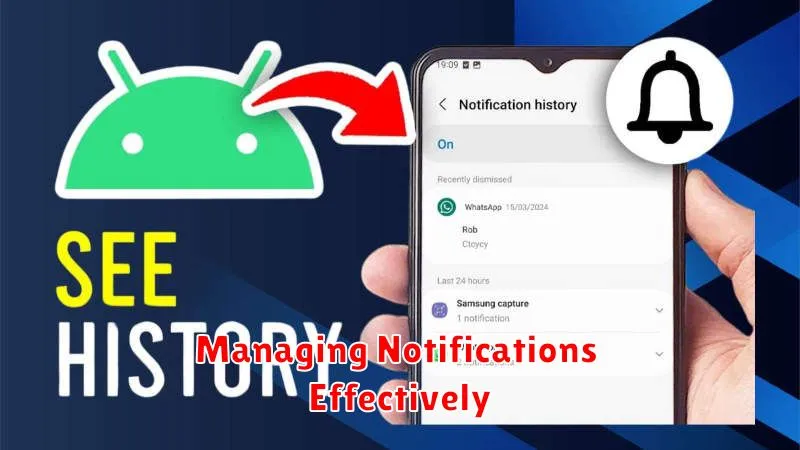
Notifications are crucial for staying updated, but they can also become overwhelming. Android offers robust tools to control your notification experience. Learn how to prioritize, silence, and manage app notifications for a less cluttered and more productive mobile experience.
Prioritizing Notifications: You can designate certain app notifications as priority. These will bypass Do Not Disturb modes, appear higher in the notification shade, and even peek onto your screen if you have that setting enabled.
Notification Channels (Android 8.0 and later): App developers categorize their notifications into different channels. This gives you granular control. You can mute less important channels from an app (like promotional content) while still receiving crucial alerts (like direct messages).
Using Do Not Disturb: Configure Do Not Disturb mode to silence notifications during specific times or events. You can allow exceptions for priority contacts or apps, ensuring you don’t miss critical alerts.
